

It turns out that we should also be concerned about the indoor air quality inside our homes and offices instead. Indoor air is much more concentrated than outdoor air, and it tends to be more stagnant because of a lack of ventilation. So even though you may not have to worry about fumes from a semi truck inside your home, the chemicals your new carpet was treated with at the factory are just sitting in your living room for weeks.
There are lots of pollutants inside most of our homes. Secondhand smoke is an obvious one, but you may be harboring several that you never considered. For example, many homes and other buildings are made of harmful building materials like asbestos, formaldehyde, and lead. New carpets and furniture can ‘off-gas’ toxic chemicals for quite a while. Depending on what part of the country you live in, indoor air in your home may have a higher risk of dangerous gases like carbon monoxide and radon. Even innocent things like certain cleaners and soaps are considered toxins and pollutants.
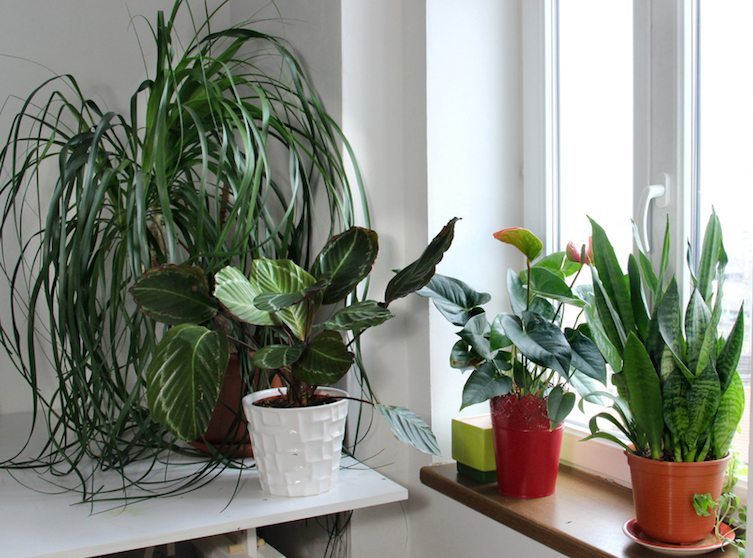
Fortunately, there is an easy solution for these concerns. If you’re getting ready to research top-of-the-line air filters, you might want to read a little farther first, because the best solution isn’t something you plug in. It’s actually plants.
 If you’re thinking of growing potted plants, it’s important to find a pot that will drain. If you choose a pot with no drainage in the bottom (like many decorative pots), the water that you put in the pot will stay in the bottom and cause soil rot.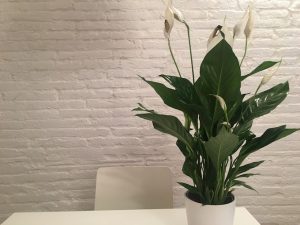
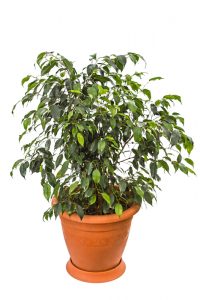 Ficuses are great for filtering formaldehyde from indoor air, and they only require weekly watering. It’s best to plant these in coarse soil that drains well, and you should be sure to remove any water that drains from the pot. Try to place the ficus near a window that gets a lot of sun in the summer time.

Add A Comment